
The Role of Skill in Gambling
Skill plays a pivotal role in determining the outcomes of gambling activities, particularly in games that require strategy and psychological insight. Games like poker and blackjack are not merely reliant on chance; they demand players to understand the nuances of probability, game mechanics, and the behavioral patterns of opponents. A skilled poker player, for instance, can gauge when to bluff or fold based on their read of the table and the cards they possess. This ability to analyze and adapt to the dynamics of the game significantly increases their chances of winning, and many players often turn to resources to discover more about improving their strategies, which can often distinguish successful players from their less experienced counterparts.
On the other hand, many casual gamblers enter games without a solid grasp of the strategies involved. This lack of understanding often leads to hasty decisions that can diminish their chances of success. New players might get swept up in the excitement and fail to recognize how critical it is to develop a strategy that aligns with the game being played. Emotional gambling becomes rampant in such situations, especially in games of pure chance like slot machines, where players might continue to wager in hopes of hitting a jackpot without any real understanding of the odds, leading them further away from their goal of winning.
Moreover, improving one’s gambling skills isn’t just about learning the mechanics of a game; it also encompasses developing a keen sense of risk management. Successful gamblers set strict budgets and adhere to them, ensuring they play responsibly. They understand the importance of knowing when to walk away, especially during losing streaks, which is crucial for maintaining a healthy relationship with gambling and ensuring long-term enjoyment rather than financial strain. By honing their skills and maintaining discipline, skilled gamblers can consistently outperform those who rely solely on luck.
The Influence of Psychology on Gambling Outcomes
The psychological factors at play in gambling can significantly impact the outcomes for players. Winning can create a euphoric state, leading to overconfidence and riskier behaviors, often referred to as the “gambler’s fallacy.” This phenomenon occurs when individuals mistakenly believe that their past wins will influence their future games, prompting them to increase bets in hopes of a win. For example, a player who has won a few hands in a row may feel compelled to raise their stakes, convinced that their luck will continue, only to face subsequent losses that could have been avoided had they remained cautious.
Cognitive biases also play a crucial role in how gamblers perceive their chances of winning. Many players misinterpret statistical probabilities, leading them to overestimate their skills or luck. This distorted perception can drive individuals to gamble beyond their financial means, believing they have a better chance of winning than they actually do. Recognizing these psychological traps is essential for gamblers who wish to enhance their approach and improve their outcomes. Acknowledging the influence of emotions can empower players to make more rational decisions during gameplay.
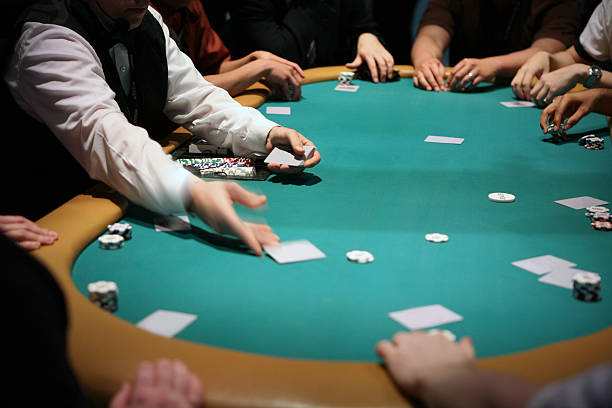
The environment in which gambling occurs further influences psychological outcomes. Factors such as noise, lighting, and the presence of other players can affect a gambler’s emotions and decision-making processes. For instance, the stimulating atmosphere of a bustling casino might push a player to continue betting in an attempt to fit in with the crowd, even when it would be more prudent to take a break. Being aware of these external influences is vital for developing a disciplined gambling strategy that prioritizes rational decision-making over emotional impulses, ultimately leading to more favorable results.
The Role of Luck in Gambling
Luck is often seen as one of the most significant determinants of success in gambling. Many games, particularly those that rely heavily on chance, such as roulette and slot machines, are unpredictable by nature. While players can employ strategies in skill-based games, the element of luck remains an uncontrollable factor that can lead some to substantial wins while others consistently experience losses. This randomness is an intrinsic aspect of gambling, making it vital for players to understand the limits of strategy in the face of pure chance and the unpredictable nature of outcomes.
A prevalent misconception among gamblers is that they can influence luck through certain behaviors or strategies, such as chasing “hot” or “cold” streaks. Many believe that by observing previous outcomes, they can predict future results. However, each round in games of chance is entirely independent, meaning that past results have no bearing on future outcomes. Accepting the randomness of luck in gambling is essential for cultivating a realistic mindset regarding winning and losing. This acknowledgment can help gamblers avoid falling into traps that lead to increased betting and subsequent losses.
Despite the random nature of luck, some players seem to enjoy prolonged periods of good fortune, leading to the perception that they possess some secret technique or insight. In reality, luck is inherently unpredictable, and the key to long-term success lies in managing expectations and finances effectively. Understanding that luck will fluctuate allows gamblers to maintain a healthier perspective on their gambling experiences and helps mitigate the emotional rollercoaster that often accompanies gambling. This balanced outlook can lead to a more enjoyable and sustainable gambling journey.
The Importance of Bankroll Management
Effective bankroll management is one of the most critical aspects that separates successful gamblers from those who struggle to make profits. Knowing how to allocate funds wisely, setting limits, and adhering to a budget can significantly affect a player’s experience. Successful gamblers often create a comprehensive plan regarding how much to wager and how to manage their winnings and losses effectively. This structured approach not only allows them to extend their playtime but also alleviates the stress associated with financial loss, making the overall experience more enjoyable.

Bankroll management encompasses more than just tracking wins and losses; it requires strategic decision-making about when to increase or decrease bets based on performance. Many experienced gamblers recommend using only a small percentage of one’s total bankroll for each gaming session, thereby minimizing risks and prolonging playtime. This disciplined strategy helps players avoid significant financial setbacks and enables them to enjoy the gambling experience without jeopardizing their financial stability. The importance of sticking to a budget cannot be overstated, as it serves as a safeguard against the pitfalls of emotional and impulsive betting.
Additionally, players should periodically evaluate their financial situation and adjust their gambling strategies as necessary. If a player finds themselves on a losing streak, it may be prudent to reassess their approach or take a break altogether. Recognizing the importance of bankroll management is a crucial step toward viewing gambling as a source of entertainment rather than a means to achieve financial gain. This mindset shift can lead to a more enjoyable and responsible gambling experience, allowing players to focus on the fun rather than the financial implications of their actions.
Resources for Gamblers and Learning More
For those eager to enhance their gambling experience, numerous resources are available that provide valuable insights into improving skills and strategies. Online platforms, tutorials, and communities of experienced gamblers offer a wealth of information on different games, odds, and effective tactics. Engaging with these resources can help newcomers learn from the successes and failures of others, building a more comprehensive understanding of the gambling landscape. Accessing educational content can empower players to make informed decisions and refine their gameplay.
Moreover, organizations dedicated to responsible gambling provide excellent advice on how to manage gambling habits, recognize signs of problem gambling, and maintain a healthy balance between enjoyment and risk. These resources empower individuals to make informed decisions about their gambling practices and promote awareness of the potential hazards associated with gambling. By understanding the importance of responsible gambling, players can cultivate a more positive relationship with the activity.
Ultimately, by approaching gambling with curiosity and a willingness to learn, players can enrich their experiences while minimizing risks. Staying informed about the intricacies of gambling and understanding personal psychological tendencies can lead to a more fulfilling and responsible gambling journey. Engaging with reputable websites and communities can foster a deeper appreciation of the complexities surrounding winning and losing, laying the groundwork for a healthier relationship with gambling overall. As players grow more knowledgeable, they can navigate the world of gambling with greater confidence and a clearer perspective.